Slab Leak in Los Angeles

A slab leak — a broken pipe under your concrete foundation — announces itself indirectly: warm floors, climbing water bills, mysterious moisture. Catching it early is the difference between a repair and a disaster.

📞 Call (844) 699-1165

Free for homeowners · Connected in ~60 seconds · 24/7 emergency service

✓ Licensed & Insured Local Pros ✓ 24/7 Emergency Plumbing ✓ Upfront Pricing ✓ Serving All 50 States
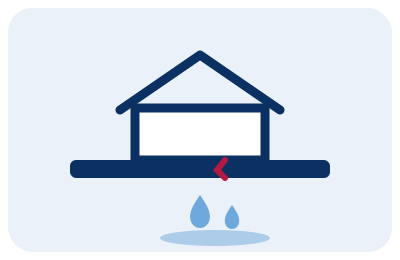
Slab Leak — illustrated guide

Warm or hot spots on the floor, especially on ground-level rooms. Here's what to do about slab leaks in Los Angeles — including the local factors that change the advice.

Do this right now

1

Confirm with the meter test

Turn off all water, note the meter reading, wait 30 minutes without using water, read again. Movement = a leak somewhere.

2

Check the water heater

Rule out the obvious: look for pooling around the heater before assuming slab.

3

Note the symptoms

Where are the warm spots? Which rooms? When did the bill climb? Details help the pro pinpoint faster.

4

Don't jackhammer anything yourself

Slab work requires precise electronic detection — guessing destroys flooring for nothing.

5

Call for leak detection

Call (844) 699-1165. Pros use acoustic and thermal imaging to locate the break within inches, then discuss repair options.

Slab Leak in Los Angeles? Talk to a local pro now.

📞 Call (844) 699-1165

Free for homeowners · 24/7 · Licensed local pros

What makes slab leaks different in Los Angeles

  • Hillside homes and seismic activity stress water and gas lines — this is prime slab-leak territory.
  • a huge stock of 1920s–1960s homes, many still running original galvanized pipe — copper lines under slabs from this era are the classic failure point.
  • In Los Angeles, earthquakes, drought cycles, and Santa Ana wind-driven fire seasons — soil movement stresses buried lines seasonally.
  • Seismic shutoff valves and earthquake strapping on water heaters are code-driven realities here

Neighborhoods

If you're in Hollywood, Downtown LA, Santa Monica, Pasadena, Glendale, Long Beach, Burbank, Sherman Oaks, Echo Park, Culver City, or anywhere across the Los Angeles metro — Los Angeles, Long Beach, Glendale, Pasadena, Burbank — the steps above apply. Call (844) 699-1165 and mention your neighborhood so we match you with a pro who knows the area.

What to tell the pro when you call

  • Your address and foundation type if known (slab, crawlspace, basement)
  • The symptoms: warm spots, bill increase, sounds, moisture — and where
  • Results of the meter test if you ran it
  • Age of the home and any prior plumbing work
  • Flooring type over the suspected area (tile, wood, carpet)

📞 Call (844) 699-1165

Not quite your problem?

Visible spray from an exposed pipeBurst pipe in Los Angeles →
Damp spot with no other symptomsHidden leak — mention it on the call in Los Angeles →
Water heater area wetLeaking water heater in Los Angeles →

Slab Leak in Los Angeles — FAQs

Are slab leaks common in Los Angeles?
Yes — Hillside homes and seismic activity stress water and gas lines a huge stock of 1920s–1960s homes, many still running original galvanized pipe If you have warm floors or a climbing bill, call (844) 699-1165 for electronic detection before it gets worse.
Spot repair or reroute — what's better in Los Angeles?
It depends on the leak's location, your flooring, and the line's overall condition. Hillside homes and seismic activity stress water and gas lines Your pro will lay out options with upfront pricing — call (844) 699-1165.
How are slab leaks found without tearing up the floor?
Electronic leak detection: acoustic listening devices and thermal cameras pinpoint the leak within inches through the slab. Call (844) 699-1165 — detection is a standard service.
How are slab leaks repaired?
Options include a spot repair (open the slab at the leak), rerouting the line through walls/attic, or full repiping. Your pro will explain the tradeoffs and quote upfront.

More Los Angeles plumbing guides

Burst Pipe

Water spraying or gushing from a pipe, wall, ceiling, or under a sink.

Read the guide →

No Hot Water

No hot water at ANY fixture — sinks, showers, tubs all cold.

Read the guide →

Leaking Water Heater

Water pooling at the base of the tank.

Read the guide →

Clogged Drain

One sink, tub, or shower draining slowly or standing full.

Read the guide →

Sewer Backup

Sewage or dirty water coming up through tubs, showers, or floor drains.

Read the guide →

Slab Leak

Warm or hot spots on the floor, especially on ground-level rooms.

Read the guide →

Frozen Pipes

No water or a trickle from a faucet during freezing weather.

Read the guide →

Running Toilet

Water running into the bowl long after flushing.

Read the guide →

Clogged Toilet

Bowl fills nearly to the rim when flushed, then drains slowly.

Read the guide →

Leaking Faucet

Steady drip from the spout with handles fully off.

Read the guide →

Garbage Disposal Issues

Press the switch and nothing happens at all.

Read the guide →

Low Water Pressure

Weak flow at one or two fixtures (likely local).

Read the guide →

Sump Pump Failure

Pump doesn't turn on when the pit fills.

Read the guide →

Main Drain Clog

Multiple fixtures slow or backing up at the same time.

Read the guide →

Main Water Shutoff Valve

You don't know where your main shutoff is (most common 'symptom').

Read the guide →

Plumbing Emergency? Don't Wait.

One call connects you with a licensed local plumber — day or night, weekends and holidays.

📞 Call (844) 699-1165
📞 Tap to Call (844) 699-1165Free · 24/7 · Licensed Local Plumbers