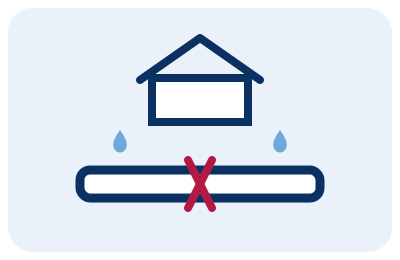
Is this your problem?
- Multiple fixtures slow or backing up at the same time
- Toilet bubbles or backs up when the washer drains
- Water coming up in the tub when you flush
- Sewage odors from several drains at once
- The lowest drain in the house (basement floor drain, ground-floor tub) backs up first
Main Drain Clog? Get a licensed pro on the line now.
Free for homeowners · 24/7 · Licensed local pros
What to do right now
Confirm the pattern
Run water in an upstairs sink and watch the lowest drain. If the low drain reacts, the blockage is in the main line between them.
Stop adding water
Limit water use — every gallon has to go somewhere, and right now 'somewhere' is your lowest drain.
Find your cleanout
The main-line cleanout (usually a capped pipe near the house or in the yard) is where a pro will work. Knowing its location speeds everything up.
Don't chemical it
Chemical cleaners can't clear main-line clogs and make the line hazardous for the pro with the auger.
Call for pro clearing
Call (844) 699-1165. Main lines need a powered auger or hydro-jetting — and a camera inspection to find why it clogged.
Stay safe
- Treat any backup water as potentially contaminated.
- Don't open a cleanout cap yourself if water is under pressure behind it.
- Keep kids and pets away from affected drains.
Mistakes to avoid
- Snaking individual drains repeatedly while the main stays blocked.
- Pouring chemicals into a main line — useless and hazardous.
- Ignoring the pattern ('the tub AND the toilet are slow') as coincidence.
- Skipping the camera inspection — without it, you're guessing at the cause.
What to tell the plumber when you call
Have these answers ready — it gets you the right pro faster and a more accurate quote.
- Which fixtures are affected and in what order they back up
- Whether there's an accessible cleanout and where
- The home's age and pipe material if known
- Whether this has happened before
- Any large trees near the sewer line route
Not quite your problem?
| Only one fixture affected | Clogged drain — local fix → |
| Actual sewage coming up | Sewer backup — urgent → |
| Toilet only, everything else fine | Clogged toilet → |
Main Drain Clog — FAQs
What's the difference between a drain clog and a main line clog?
How do plumbers clear main lines?
How much does main line clearing cost?
Can tree roots really break into pipes?
Main Drain Clog Guides by Metro
Same problem, local context — climate, housing, and water conditions that change the advice.